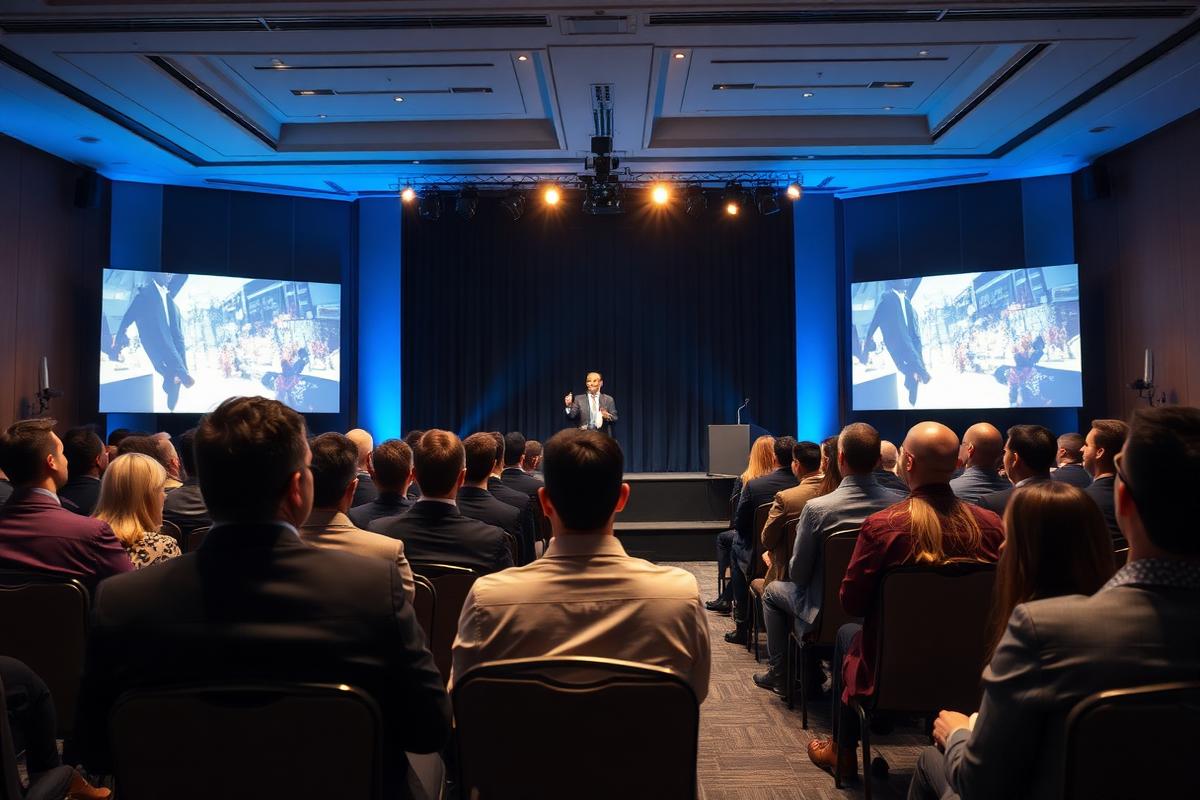
Beyond Attendance: Designing Corporate Events That Drive Business Outcomes
Ask what changed after your last event. If the room goes quiet, the event was designed forward from the format instead of backward from the outcome.
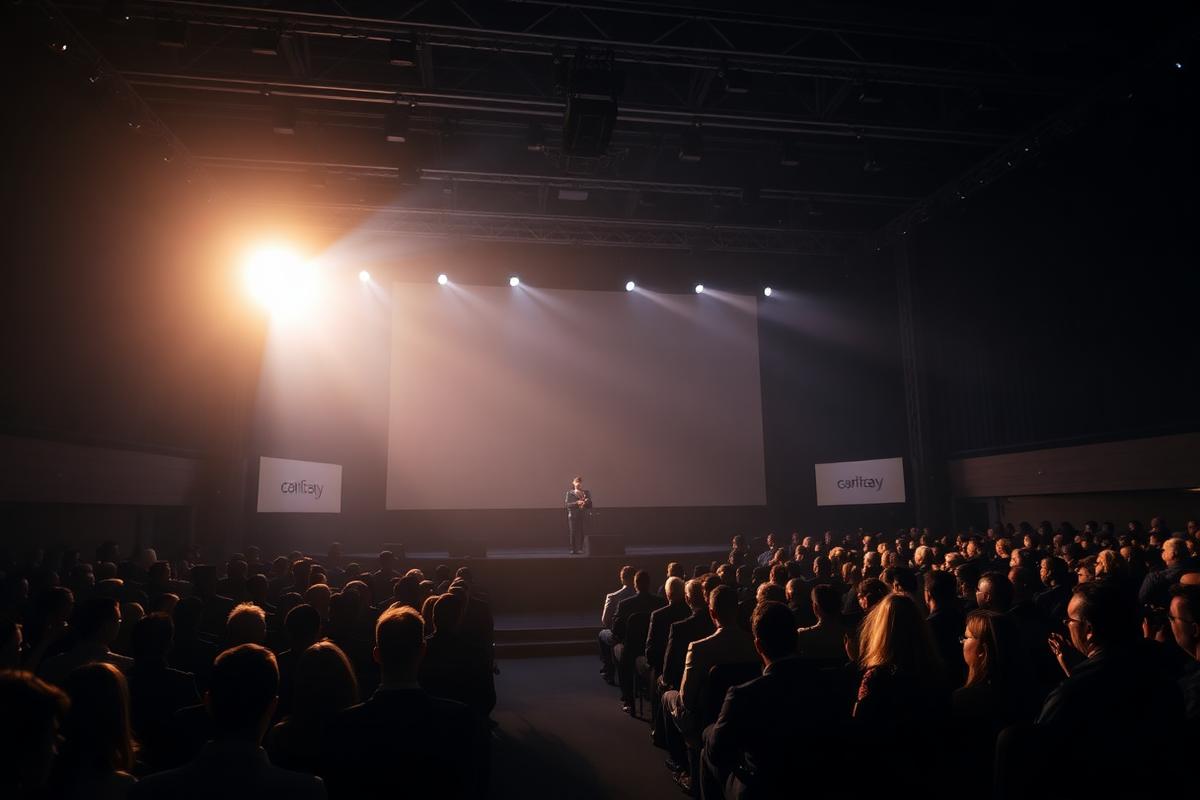
The metric that almost everyone gets wrong
Ask most organisations how their last major event went, and you'll hear about attendance, satisfaction scores, and how the keynote landed. Ask what changed afterwards, and the room goes quiet.
That silence is the problem. A corporate event is not an end in itself — it is a mechanism for moving a business outcome. A partner summit that doesn't deepen partner commitment has failed regardless of how polished the stage looked. A sales kickoff that doesn't change what reps do in the next 30 days was an expensive morale exercise.
Having designed and delivered events across 50+ countries — from leadership offsites to international conferences and exhibitions for Fortune 500 clients — I've learned that the events that matter are designed backward from the outcome, not forward from the format.
Design backward from the outcome
Before a single vendor is briefed, the single most important question is: what needs to be different on Monday morning because this event happened?
For a partner summit, the answer might be: ten partners commit to a new joint pipeline target. For a sales kickoff, it might be: every rep can articulate the new value message and has practised it on a live deal. For a leadership offsite, it might be: the executive team agrees on the three priorities for the year and the trade-offs that come with them.
That outcome is the design constraint. Every later decision — agenda, format, speaker list, even whether the event needs to be in person at all — is evaluated against it.
The four levers that turn an event into an outcome
The narrative arc. A great event has a story, not a schedule. The program builds toward a moment of decision or commitment, not just a series of content blocks. When the arc is clear, attendees leave knowing what the event asked of them.
The right people in the room. More than half of an event's impact is determined by the invite list. The question is not who should attend, but whose behaviour must change — and whether they're present.
Friction in the right places. Passive consumption produces passive results. The events that drive outcomes build in deliberate friction: working sessions, decisions that must be made on the spot, commitments captured before people leave the room.
The follow-through designed in advance. The most expensive part of an event is the 30 days after it. If the follow-through isn't planned before the event begins, it won't happen. We design the commitments, the cadence, and the accountability before the doors open.
Where events quietly fail
The most common failure mode isn't a logistics problem — it's a purpose problem. The event was never given a clear outcome to produce, so it defaulted to "a good experience," and a good experience is unmeasurable and unrepeatable.
The second most common is the reverse: an outcome was named, but the event was still designed as a content delivery vehicle rather than a decision-making mechanism. You can't run a partner summit like a lecture and expect partnership behaviour to change.
A practical starting point
If you're planning a major event, try this exercise before anything else. Write a single sentence: This event will be a success if, within 30 days, [specific, observable change]. If you can't finish that sentence, you don't yet have an event — you have a date and a venue.
Everything else — program, production, logistics, the thousand details that consume the planning team — should serve that sentence. When it does, the event becomes one of the most efficient levers an enterprise has for creating alignment and momentum.
A well-designed event is one of the highest-leverage moves available to a leadership team. If you have a critical event on the horizon, a 20-minute diagnostic can pressure-test the design before you commit the spend. Book a free consultation.
Kamakshi Wason is Executive Director of TF Global Advisory Partners, where she leads enterprise engagements across strategy, program delivery, corporate events, and revenue enablement — backed by experience managing complex projects for top Fortune 500 organisations and clients, across 500+ international projects and stakeholders from more than 50 countries.